
Skip to content
JACK & TORQUE

Guide

How to Clear a Check Engine Light

The button is easy to press. The question is whether you should, and what else it resets when you do.

By Ryder M. · Published September 26, 2026 · Last reviewed September 26, 2026

We earn a commission when you buy through the Amazon links on this page, at no extra cost to you. It never changes which tool we put first, and we publish no price we have not verified. How this site is funded.

How to Clear a Check Engine Light — ranked picks with scores and a price check for each
#PickKey capabilityScorePrice
1
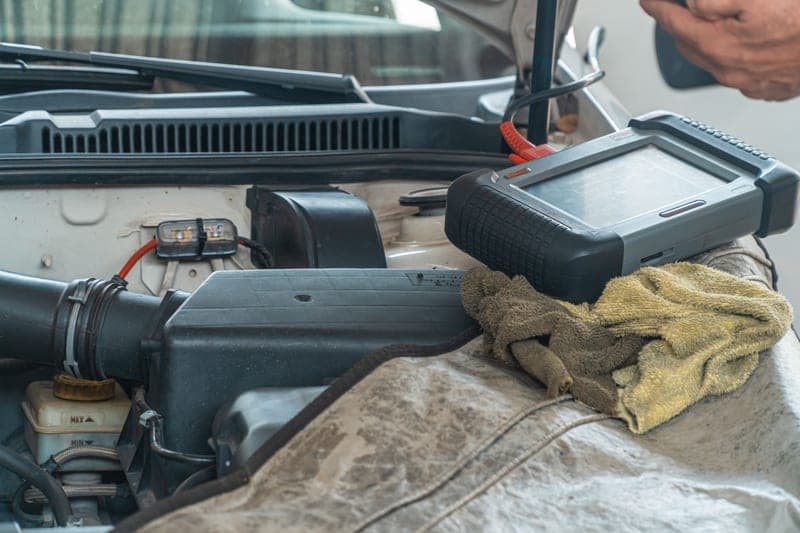
An auto mechanic inspecting a car engine in a garage
Autel AutoLink AL319Reading and clearing simply
TFT color, 220 x 1768.5
2
A car engine being inspected with a handheld diagnostic tool
FOXWELL NT301Checking readiness after clearing
2.8 in TFT color8.4
3
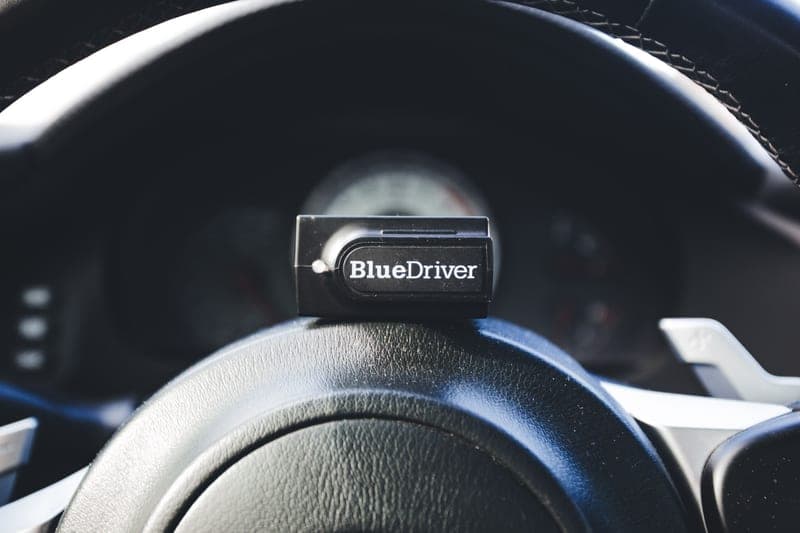
A Bluetooth code reader resting on a car steering wheel
BlueDriver ProUnderstanding the code before you clear it
Bluetooth to iOS and Android8.8

Photographs on this page are licensed stock images that show the category, not the exact model, and not anything we own. We have no test rig and claim none.

A car dashboard showing the speedometer and digital readout at night

Direct answer: clearing a check-engine light takes one button press on any scanner, and it is the right move only after you know what the code was and have either fixed the cause or decided deliberately not to. Clearing erases the stored codes and the freeze frame data, and it also resets the emissions readiness monitors — which can fail you on a smog test even with no faults present.

How to do it

  1. 1.Read and record every code first

    Stored and pending, plus the freeze frame for each. Write them down or photograph the screen. This is the only copy of the evidence.

  2. 2.Fix the cause, or decide consciously not to

    A loose gas cap is a legitimate fix-then-clear. A misfire is not something to clear and hope about.

  3. 3.With ignition on and engine off, select erase or clear

    The tool will usually warn you that this also clears freeze frame and readiness data. Confirm.

  4. 4.Verify the light is out and no codes return immediately

    Start the engine. If the light comes straight back, the fault is active and clearing was never going to help.

  5. 5.Drive normally, then re-check

    Codes that return after a few drive cycles tell you the fault is real and intermittent, which is useful information rather than a failure.

What clearing actually resets

What is lost when you clear codes
DataCleared?Why it matters
Stored fault codesYesThe record of what happened
Pending codesYesOften your earliest warning
Freeze frameYesThe conditions that caused it — hard to recreate
I/M readiness monitorsYesMust complete again before an emissions test
The underlying faultNoNothing about the car has changed
What is lost when you clear codes

That last row is the one worth repeating. A cleared light is not a fixed car. If the condition that triggered the code recurs, the code and the light come back — possibly after you have sold the car to someone else.

When clearing is the right thing to do

  • After you have fixed the fault. Some cars clear the light themselves after enough clean drive cycles; clearing manually confirms the repair immediately.
  • After a known one-off trigger. A loose fuel cap or a fueling event that ran the tank dry, for example.
  • To test whether a fault is active or historic. Clear, drive, and see whether it returns — that is a real diagnostic technique.
  • After replacing a part, to reset adaptive values where the service procedure calls for it.

When clearing is a mistake

  • Before you have recorded the code. You have just destroyed the only evidence.
  • Shortly before an emissions test. Readiness monitors need several varied drive cycles to complete, and an incomplete set is a fail even with zero faults.
  • To make a car look fine for a buyer. Beyond the ethics, readiness monitors reading "not ready" on a car with no codes is a recognizable pattern to anyone who checks.
  • With a flashing light. That indicates a severe misfire. Clearing it changes nothing and driving on can destroy the catalytic converter.

The emissions test timing problem, concretely

Readiness monitors are self-tests the car runs opportunistically — some need a cold start, some need sustained highway speed, some need a specific fuel level. After a clear, they all reset to incomplete, and getting them all to complete typically takes a mix of city and highway driving over several days.

So: do not clear codes in the week before a test. If you have just done repairs, drive the car properly for a few days and check readiness with your scanner's I/M function before booking.

If the light will not clear

Two possibilities. Either the fault is still active, in which case the code is immediately re-set — that is the scanner telling you something true. Or the module is not accepting the clear command, which on some vehicles happens if the engine is running or if a related system is in a fault state. Turn the ignition off, back on, engine off, and try again.

The picks in full

Every pick, in detail

An auto mechanic inspecting a car engine in a garage

1. Reading and clearing simply

Autel AutoLink AL319

Autel · score 8.5/10

A one-button emissions-readiness check, live PCM data and freeze frame on a color screen — everything a first check-engine light actually requires.

Reads generic, manufacturer-specific and pending codes with freeze frame, clears them, and has a one-click I/M readiness key — which is exactly the function you need to check after clearing.

Published specifications

Display
TFT color, 220 x 176 Autel
Codes
Generic, manufacturer-specific and pending Autel
Live data
Live PCM datastream Autel
Freeze frame
Yes Autel
Vehicle info
VIN, CIN, CVN Autel
Coverage
OBD2-compliant vehicles, 1996 and newer Autel

What works

  • One-click I/M readiness key answers the pre-smog-test question instantly
  • No phone, no app, no pairing — plug in and read
  • Color-coded pass/fail display plus an audible tone

What you give up

  • Engine and emissions only — it will not read ABS or airbag codes
  • No bi-directional control
  • 220 x 176 screen shows very little live data at once

Our scoring

  • Fit & reach7.4
  • Safety margin8.0
  • Beginner ease9.6
  • Build quality8.2
  • Value9.4
Check price on Amazon

#ad No price shown — we have no live feed. How this is funded

Specifications published by Autel — we earn nothing from that link.

A car engine being inspected with a handheld diagnostic tool

2. Checking readiness after clearing

FOXWELL NT301

FOXWELL · score 8.4/10

A 2.8 in color screen that graphs live sensor data and flags emissions readiness with colored LEDs — a diagnostic step up from a bare code reader.

An I/M readiness hot key with red/yellow/green LEDs and a speaker, plus saved test results. Clearing resets the monitors, and this tells you at a glance when they have completed again.

Published specifications

Display
2.8 in TFT color FOXWELL
Standards
CAN OBDII / EOBD FOXWELL
Live data
Text and graph FOXWELL
Freeze frame
Yes FOXWELL
Indicators
Red / yellow / green LEDs plus speaker FOXWELL

What works

  • Graphs live sensor data, which is how you catch an intermittent fault
  • I/M readiness hot key and LED status — glanceable
  • Saves test results for review away from the car

What you give up

  • FOXWELL does not publish ABS or SRS coverage for this model — treat it as engine and emissions only
  • Corded, so you work at the dash
  • Updates require a computer

Our scoring

  • Fit & reach7.6
  • Safety margin8.0
  • Beginner ease9.0
  • Build quality8.2
  • Value9.2
Check price on Amazon

#ad No price shown — we have no live feed. How this is funded

Specifications published by FOXWELL — we earn nothing from that link.

A Bluetooth code reader resting on a car steering wheel

3. Understanding the code before you clear it

BlueDriver Pro

BlueDriver · score 8.8/10

A Bluetooth dongle that reads enhanced ABS, airbag and transmission codes with no subscription, and hands you a repair report instead of a raw code.

Repair reports built from verified fixes, plus enhanced ABS, airbag and transmission codes. Knowing what the code means is the step that should come before clearing it.

Published specifications

Connection
Bluetooth to iOS and Android BlueDriver
Coverage
1996 and newer cars, SUVs and light trucks sold in North America BlueDriver
Enhanced systems
ABS, airbag (SRS), transmission BlueDriver
Subscription
None BlueDriver
Reports
Repair Reports built from verified fixes BlueDriver

What works

  • Reads the enhanced ABS and airbag codes most cheap readers cannot
  • Repair reports translate a code into a likely cause
  • No subscription — the price is the price

What you give up

  • Useless if your phone is dead
  • Enhanced coverage depends on the make
  • No bi-directional actuator control

Our scoring

  • Fit & reach8.8
  • Safety margin8.4
  • Beginner ease9.4
  • Build quality8.6
  • Value8.8
Check price on Amazon

#ad No price shown — we have no live feed. How this is funded

Specifications published by BlueDriver — we earn nothing from that link.

Method

How these picks were chosen

We did not test these tools. We do not run a laboratory, we have not loaded a jack to failure or checked a wrench on a calibration bench, and we will not tell you otherwise. What we did instead is read the published manufacturer specifications, check the figures that matter against the safety standard that applies to portable automotive lifting equipment, and work out which tool suits which job. Every number on this page links to where it came from, so you can check us.

The five things we score are the five that decide a first purchase: will it fit under and lift your car, how much safety margin the rating and the locking mechanism leave you, how hard it is to get right alone in a driveway, what the materials and published standards say about how long it lasts, and what the money buys against the rest of the field.

Read the full method — including how we pick a top pick, and why we publish no prices.

Questions

Frequently asked questions

+How do I turn off my check engine light?

Read and record the codes, address the cause, then use your scanner's erase function with the ignition on and the engine off. If the light returns immediately, the fault is still active.

+Does clearing codes fix the problem?

No. Nothing about the car changes. If the condition recurs, the code and the light come back.

+Will clearing codes make me fail an emissions test?

It can. Clearing resets the readiness monitors, and an incomplete set is a fail even with no faults stored. Allow several days of varied driving and check readiness with your scanner before the test.

+Can I reset the light by disconnecting the battery?

It often works and it is a poor method: you lose the codes without reading them, reset the readiness monitors anyway, and on modern cars can lose radio, window, seat and transmission adaptive settings.

+Why does my check engine light keep coming back?

Because the fault is still present. A returning code after a clear is the car telling you the condition is real — which is useful, especially if it returns only under specific conditions you can then describe.

Sources

Where these figures come from

Read next

Related reading