The tool that puts the car back together correctly. Tight enough is not a number, and a wheel is where that matters most.
We earn a commission when you buy through the Amazon links on this page, at no extra cost to you. It never changes which tool we put first, and we publish no price we have not verified. How this site is funded.
Start here
Our top pick in this category
1. Best first torque wrench
TEKTON 1/2 in Drive Micrometer Torque Wrench (TRQ52402)
TEKTON · score 8.9/10
40-200 ft-lb on a 90-tooth head covers every lug-nut spec a normal car will ask for, and it clicks loudly enough that a beginner can hear it.
A 1/2 in drive click wrench covering 40-200 ft-lb, which brackets the 80-120 ft-lb band almost every passenger-car wheel specification falls into, with the target sitting comfortably mid-scale where a click wrench is most trustworthy. The 90-tooth head needs only a small swing inside a wheel well. TEKTON does not publish an accuracy percentage for this model, which we count against it, and the 40 ft-lb floor means it cannot do brake-caliper hardware.
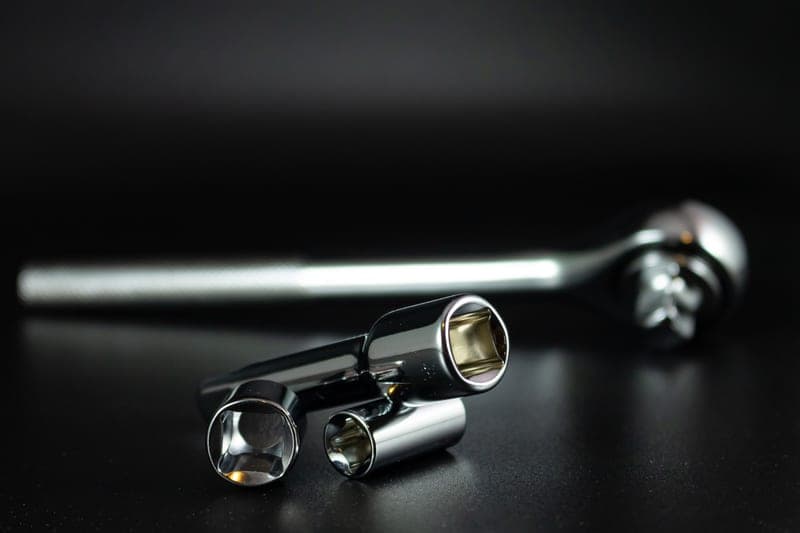
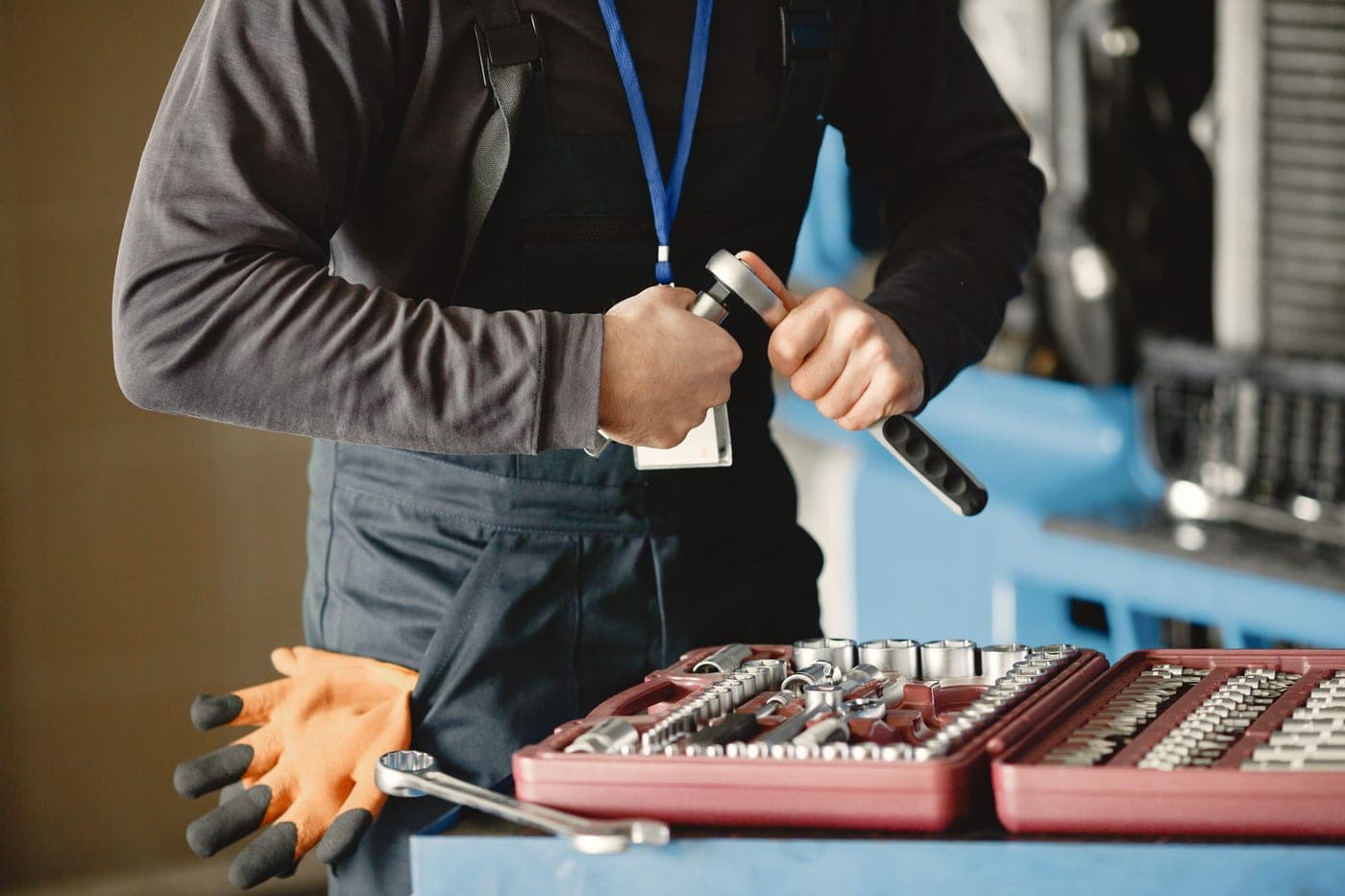
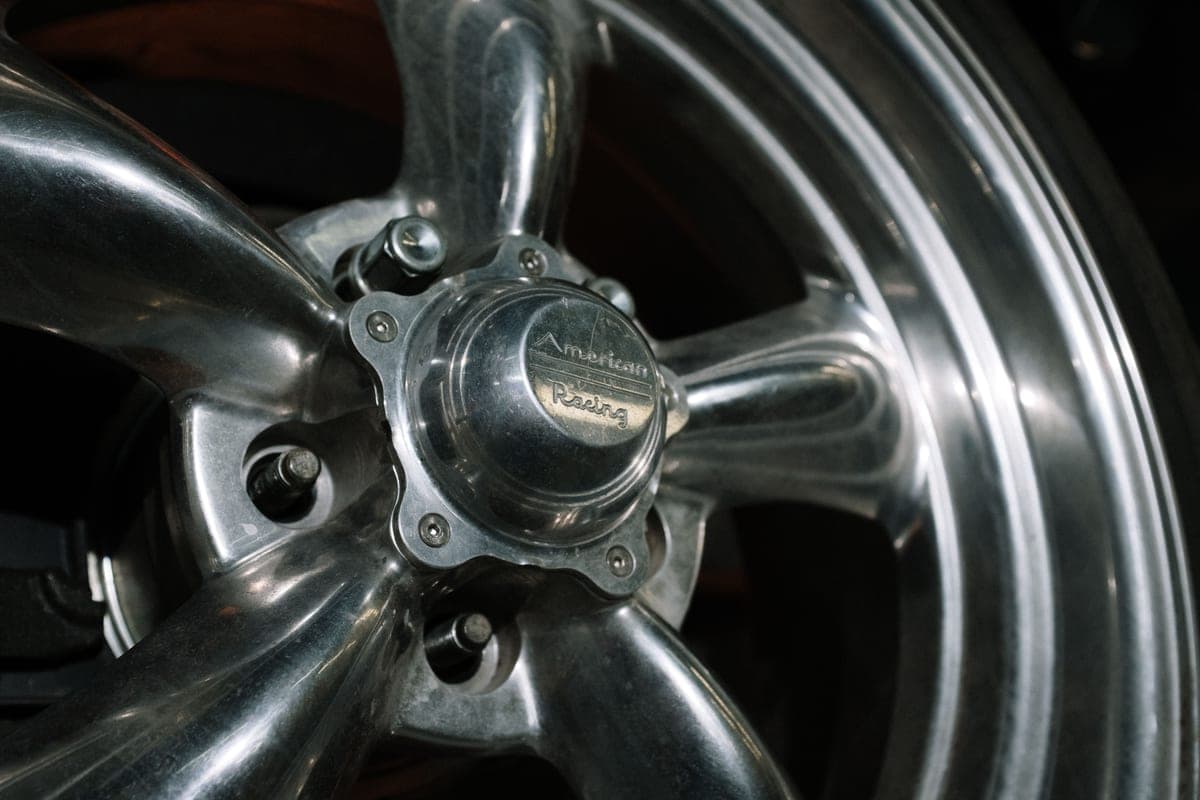
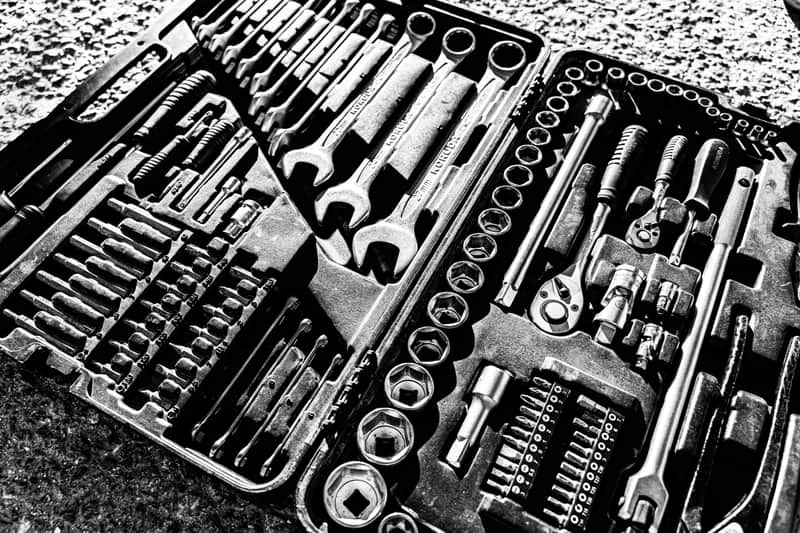
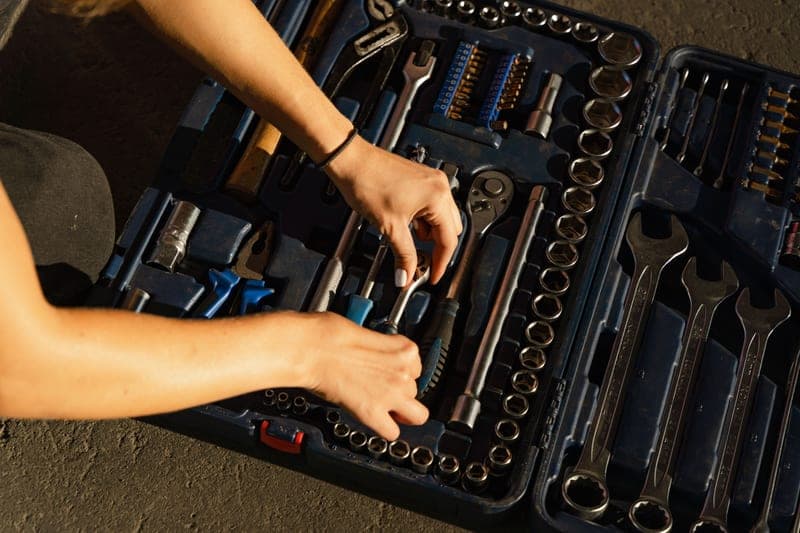
Photographs on this page are licensed stock images that show the category, not the exact model, and not anything we own. We have no test rig and claim none.
A torque wrench measures how hard you are tightening a fastener and tells you when to stop. That is its only job, and it exists because "tight" is not a useful instruction. Under-tighten a lug nut and the wheel can work loose. Over-tighten it and you stretch the stud, warp the brake disc, or shear the stud off — which turns a fifteen-minute tire rotation into a repair.
Most first-time buyers need one wrench, in one range, for one job: wheels. Start with the lug nut page if that is you.
Three mechanisms, one honest recommendation
Torque wrench types compared for a first purchase
Type
How it signals
Best for
Click (micrometer)
Audible and tactile click at the set value
First purchase. Cheap, simple, no batteries
Split beam
Click, with no spring to wind down after use
People who will forget to store it properly
Digital / electronic
Display, buzzer, LED and vibration
Anyone who wants a published accuracy figure and a pre-target warning
Beam (deflection)
A pointer against a printed scale
Cheapest possible option; needs a clear line of sight
Torque wrench types compared for a first purchase
For a first wrench, a 1/2 in drive click type in roughly the 40-200 ft-lb band covers every lug nut specification a normal car will ask for. The comparisons that matter are click vs digital and beam vs click.
Pick the range from the fasteners, not the price
A torque wrench is least accurate at the extremes of its range, which is why the specs that quote accuracy usually qualify it — GEARWRENCH states ±2% clockwise between 20% and 100% of scale for its 85077, for example. The practical rule is to buy a wrench whose midrange sits near the numbers you use most. Lug nuts on a typical car land between 80 and 100 ft-lb, which sits comfortably mid-scale on a 40-200 ft-lb wrench and right at the bottom of a 40-300.
Brake caliper bracket bolts, drain plugs and suspension hardware often fall between 15 and 45 ft-lb. A 1/2 in wrench starting at 40 ft-lb cannot measure those at all, which is the usual reason people end up owning a 3/8 in wrench as well.
Where the numbers come from
Your vehicle's service manual is the authority for every torque figure on your car, and it overrides any chart on the internet, including ours. We publish a lug nut torque chart because a general reference is genuinely useful when the manual is not to hand, and every entry on it carries that caveat.
Three habits that keep it accurate
First, wind a click wrench back to its lowest setting before storing it, so the internal spring is not held compressed. Split beam wrenches are exempt, which is their main selling point. Second, never use it to loosen. Third, pull smoothly and stop at the click rather than pulling through it — a second click is not confirmation, it is more torque.
A 1/2 in drive wrench covering roughly 40-200 ft-lb. That brackets the 80-100 ft-lb most passenger cars specify, with margin for trucks at the top end.
+−Do I have to wind a torque wrench down after use?
For a click (micrometer) wrench, yes — leaving the spring compressed at a high setting is the most common way people lose accuracy. Split beam wrenches do not need it; Precision Instruments makes that a headline feature of the C3FR250F.
+−Can I use a torque wrench to undo bolts?
You should not. Loosening a seized fastener involves shock loads well outside the wrench's measuring range, and that is what knocks it out of calibration. Use a breaker bar to loosen and the torque wrench only to tighten.