


Skip to content
JACK & TORQUE

Use-case roundup

Best Car Ramps for an Oil Change

The only job where ramps beat a jack outright. You need less height than you think — and a drain pan that fits.

By Ryder M. · Published September 26, 2026 · Last reviewed September 26, 2026

We earn a commission when you buy through the Amazon links on this page, at no extra cost to you. It never changes which tool we put first, and we publish no price we have not verified. How this site is funded.

Best Car Ramps for an Oil Change — ranked picks with scores and a price check for each
#PickCapacityScorePrice
1
A car at the entrance of a service station lit at night
RhinoGear RhinoRamps MAX (11912)Best all-round oil-change ramps
16,000 lb GVW per pair8.9
2
Low-angle view of a low-slung sports car sitting close to the ground
Race Ramps RR-56-2 (56 in, Two-Piece)Best if you want to sit up under the car
1,500 lb per ramp (6,000 lb vehicle)8.8
3
Low sports cars parked in a modern automotive workshop
Black Widow Low-Profile Plastic Service Ramps (6009-V2)Best cheap option for a low car
4,400 lb8.0
4
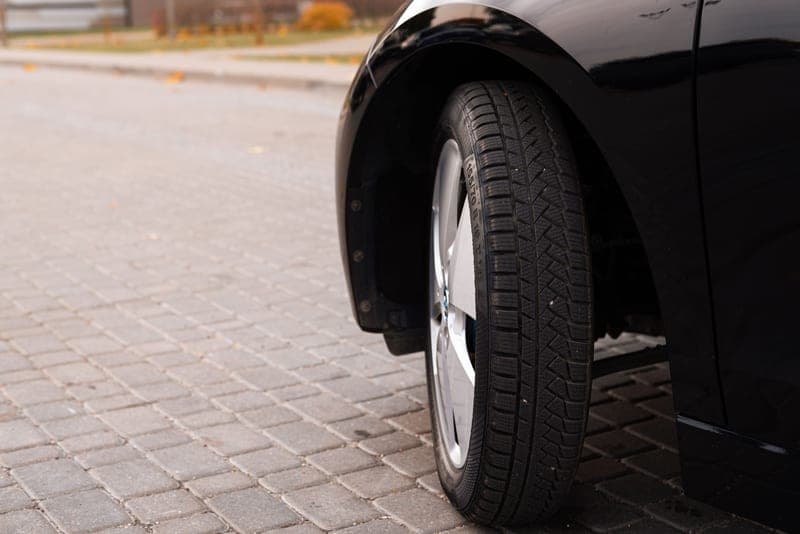
A car tire resting on a cobblestone road
Camco 44472 Wheel Chock with RopeThe chock you need on ramps
8-1/8 in x 4-5/8 in x 5-3/8 in9.0

Photographs on this page are licensed stock images that show the category, not the exact model, and not anything we own. We have no test rig and claim none.

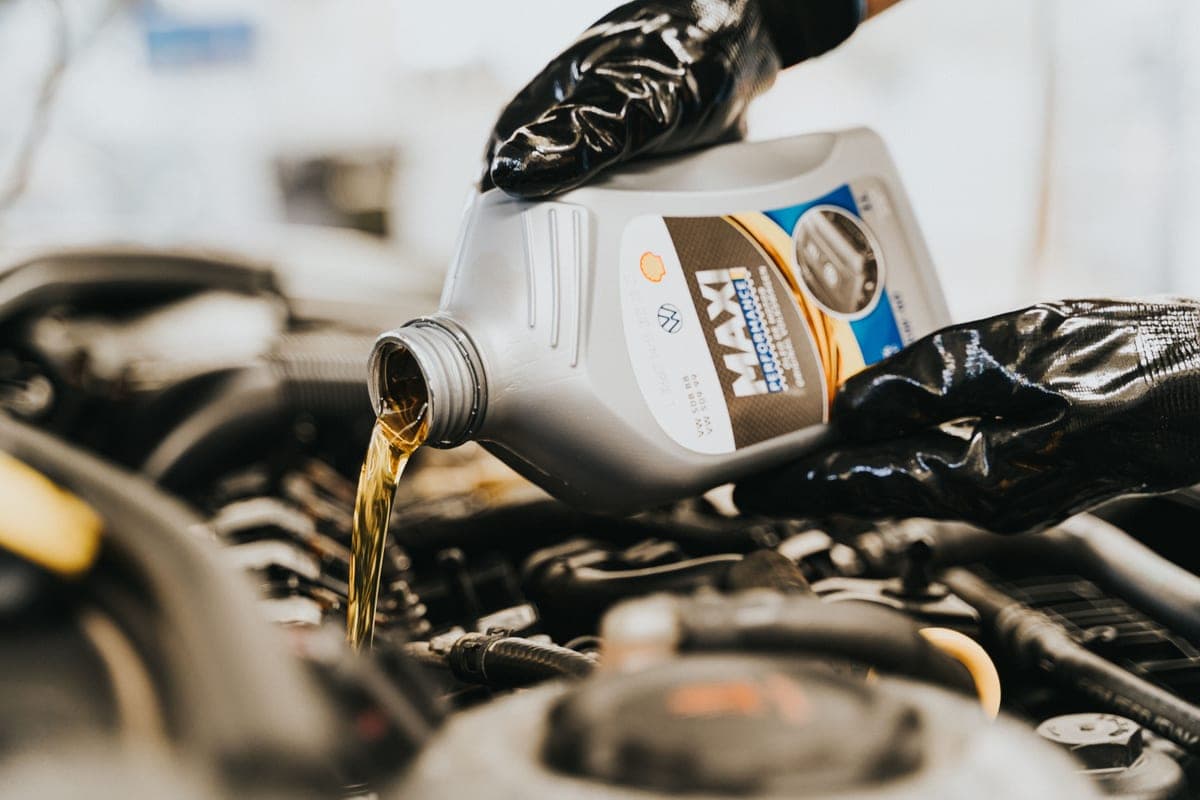
A mechanic pouring engine oil into a car engine

An oil change is the one job where ramps are clearly the better tool. You need access to the drain plug and the oil filter, both of which are under the front of the car, and you never need a wheel off. No jack, no stands, no load transfer — drive up and start.

How much height do you actually need

Less than people assume, and it depends entirely on where your filter is. Two cases:

  • Drain plug only (cartridge filter on top of the engine). You need enough room to get a wrench on the plug and a pan underneath. Two to three inches of lift is often enough on a car with reasonable stock clearance.
  • Spin-on filter underneath. You need room for your arms, a filter wrench and a pan positioned to catch what runs out of the filter housing. This is where 6-8 in of lift earns its money.

Check which your car has before you buy ramps. Open the hood: if there is a black plastic cap on top of the engine with a filter element under it, you have a cartridge filter and your clearance needs are modest.

The drain pan is a real constraint

A low-profile drain pan needs less clearance than a bucket, which changes the math on how much lift you need. Measure your pan's height and add it to the space you need for your hands. A pan that will not fit under the sump with the car on ramps is the most annoying way to discover you needed more lift.

The first oil change tool list covers the pan, the filter wrench, and the parts people forget — including the crush washer for the drain plug.

Ramps make the oil level question awkward

A car on ramps is nose-up, which means the oil in the sump is not sitting where the dipstick expects it. Do not check or set the final oil level on the ramps. Fill to slightly under the specified capacity, back the car down onto level ground, let it settle for a few minutes, and then check and top up.

This also affects draining: a nose-up car drains slightly less completely than a level one. It is a small difference and not worth worrying about — but it is the reason some people prefer a jack and stands for oil changes despite the extra work.

The short version of the procedure

  1. 1.Warm the engine briefly, then let it stand

    Two or three minutes, then ten to cool. Warm oil flows; hot oil scalds.

  2. 2.Drive onto the ramps, secure the car, chock a rear wheel

    Straight approach, steady speed, stop when the tire reaches the flat. See how to use car ramps.

  3. 3.Position the pan, then loosen the drain plug

    The pan goes where the oil will land, which is not always directly below the plug.

  4. 4.Drain, change the filter, fit a new crush washer

    The washer is a consumable and re-using it is the usual cause of a weeping plug.

  5. 5.Refill short, come down, check on level ground

    Then top up to the mark with the car level and the engine off.

The picks in full

Every pick, in detail

A car at the entrance of a service station lit at night

1. Best all-round oil-change ramps

RhinoGear RhinoRamps MAX (11912)

RhinoGear · score 8.9/10

16,000 lb GVW rating, a 17-degree incline and a non-skid base — the default answer for oil changes on anything that is not slammed.

For an oil change you want a stable pair that will take any vehicle in the household and grip a garage floor. 16,000 lb GVW for the pair covers it, and the CoreTRAC non-skid base is the feature that matters most when you are driving up rather than lifting. They nest flat against a wall between uses.

Published specifications

Capacity
16,000 lb GVW per pair Retail listing
Incline
17 degrees Retail listing
Base
CoreTRAC non-skid Retail listing
Material
Reinforced resin Retail listing

What works

  • GVW rating covers almost any car, crossover or half-ton pickup
  • Non-skid base is the feature that stops the classic ramp-slides-away scare
  • Nesting shape stores against a garage wall

What you give up

  • A 17-degree incline is too steep for low front bumpers
  • Ramps only ever support the front axle — wheels stay on
  • Resin ramps need a flat, clean surface to be trustworthy

Our scoring

  • Fit & reach8.4
  • Safety margin8.8
  • Beginner ease9.4
  • Build quality8.4
  • Value9.2
Check price on Amazon

#ad No price shown — we have no live feed. How this is funded

Specifications published by RhinoGear — we earn nothing from that link.

Low-angle view of a low-slung sports car sitting close to the ground

2. Best if you want to sit up under the car

Race Ramps RR-56-2 (56 in, Two-Piece)

Race Ramps · score 8.8/10

A 10.8-degree approach angle and 8 in of lift on solid high-density foam — the ramp for a car that scrapes on everything else.

8 in of lift is the most here, and on an oil change that difference is the difference between reaching in and working comfortably. The 10.8-degree approach also means a low car can actually get up there. The two-piece design pulls apart so the ramp section is not in your way while you work.

Published specifications

Capacity
1,500 lb per ramp (6,000 lb vehicle) Race Ramps
Approach angle
10.8 degrees Race Ramps
Lift height
8 in Race Ramps
Length
56 in Race Ramps
Material
Solid high-density foam, anti-slip coating Race Ramps

What works

  • Shallowest approach angle here — clears low front lips
  • Two-piece design lets you remove the ramp section for side access
  • 8 in of lift is more than any plastic ramp in this set

What you give up

  • 1,500 lb per ramp limits it to lighter vehicles — check your axle weight
  • 56 in of ramp needs real garage depth
  • By far the most expensive ramps here

Our scoring

  • Fit & reach9.6
  • Safety margin8.6
  • Beginner ease9.0
  • Build quality9.2
  • Value6.8
Check price on Amazon

#ad No price shown — we have no live feed. How this is funded

Specifications published by Race Ramps — we earn nothing from that link.

Low sports cars parked in a modern automotive workshop

3. Best cheap option for a low car

Black Widow Low-Profile Plastic Service Ramps (6009-V2)

Black Widow · score 8.0/10

A 9.05-degree loading angle at 4-1/2 lb per ramp — the gentlest approach angle you can buy cheaply, at the cost of only 2-1/2 in of lift.

2-1/2 in of lift on a 9.05-degree angle. That is enough for the drain plug on some cars and not others, so check yours before buying — but at 4-1/2 lb per ramp and a genuinely shallow angle, it is the cheapest way to get a low car off the ground at all.

Published specifications

Capacity
4,400 lb Retail listing
Lift height
2-1/2 in Retail listing
Loading angle
9.05 degrees Retail listing
Dimensions
27-1/2 in x 7-3/4 in x 2-1/2 in Retail listing
Weight
4-1/2 lb per ramp Retail listing

What works

  • 9.05-degree angle is gentler than most ramps costing many times more
  • Honeycomb channels stop water pooling in storage
  • Light enough to carry in one hand

What you give up

  • 4,400 lb capacity is the lowest here — check your vehicle's weight first
  • 2-1/2 in of lift is a clearance aid, not a working height
  • Long and thin, so it needs a flat run-up

Our scoring

  • Fit & reach7.8
  • Safety margin7.4
  • Beginner ease9.0
  • Build quality7.6
  • Value9.0
Check price on Amazon

#ad No price shown — we have no live feed. How this is funded

Specifications published by Black Widow — we earn nothing from that link.

A car tire resting on a cobblestone road

4. The chock you need on ramps

Camco 44472 Wheel Chock with Rope

Camco · score 9.0/10

A UV-stable plastic chock with a pull rope, sized for tires up to 26 in — the cheapest part of a safe lift and the one people skip.

On ramps the front wheels are held; the rear wheels are what stops the car rolling backward off them. A molded chock for tires up to 26 in with a 23 in rope is the cheapest item in this whole setup.

Published specifications

Dimensions
8-1/8 in x 4-5/8 in x 5-3/8 in Camco
Fits tires
Up to 26 in Camco
Rope
23 in Camco
Material
Hard plastic with UV inhibitors Camco

What works

  • The rope means you can pull it out without reaching under the car
  • Costs less than a single lug nut and stops the car rolling
  • UV inhibitors mean it survives being left outside

What you give up

  • Camco states it is not for commercial trucks or trailers
  • Plastic can slide on a dusty or oily floor
  • Sold singly — buy two

Our scoring

  • Fit & reach8.8
  • Safety margin8.8
  • Beginner ease9.6
  • Build quality8.2
  • Value9.6
Check price on Amazon

#ad No price shown — we have no live feed. How this is funded

Specifications published by Camco — we earn nothing from that link.

Method

How these picks were chosen

We did not test these tools. We do not run a laboratory, we have not loaded a jack to failure or checked a wrench on a calibration bench, and we will not tell you otherwise. What we did instead is read the published manufacturer specifications, check the figures that matter against the safety standard that applies to portable automotive lifting equipment, and work out which tool suits which job. Every number on this page links to where it came from, so you can check us.

The five things we score are the five that decide a first purchase: will it fit under and lift your car, how much safety margin the rating and the locking mechanism leave you, how hard it is to get right alone in a driveway, what the materials and published standards say about how long it lasts, and what the money buys against the rest of the field.

Read the full method — including how we pick a top pick, and why we publish no prices.

Questions

Frequently asked questions

+How high do ramps need to be for an oil change?

It depends on your filter type and your drain pan. A cartridge filter on top of the engine means you only need room for the plug and the pan — often 2-3 in. A spin-on filter underneath means you want 6-8 in to work comfortably.

+Can I check the oil level with the car on ramps?

No — the car is nose-up and the dipstick reading will be wrong. Refill slightly short, back down onto level ground, let it settle, then check and top up.

+Are ramps better than a jack for oil changes?

For most people, yes. No load transfer, no hydraulics, and it is faster. The exceptions are cars too low to climb the ramp and situations where you want the car dead level for draining.

+Do I need to chock the wheels on ramps?

Yes. The ramps hold the front; the rear wheels are what keeps the car from rolling backward down them. Chock at least one, on both sides if there is any slope.

Sources

Where these figures come from

Read next

Related reading