
Wheels are the one fastener where a beginner is genuinely likely to do damage by guessing. They are tightened to a high torque, there are four or five per corner, and the consequences of getting it wrong run from a warped brake disc to a wheel coming off. That combination is why a torque wrench is the third thing to buy after a jack and stands.
Getting the range right
Published wheel torque specifications cluster by thread size. Capri Tools publishes a compiled table that gives a useful sense of scale:
| Thread size | Typical application | Range |
|---|---|---|
| M12 x 1.5 | Most passenger cars | 70-100 ft-lb |
| M12 x 1.25 | Japanese cars | 72-87 ft-lb |
| M14 x 1.5 | Trucks, large SUVs, European cars | 85-120 ft-lb |
| M14 x 2.0 | Heavy-duty trucks | 120-165 ft-lb |
| 1/2 in-20 | Domestic cars and light trucks | 75-100 ft-lb |
| 9/16 in-18 | Full-size trucks and vans | 135-145 ft-lb |
Capri Tools states plainly that these are general starting points by thread size and that values vary by trim, wheel size and model year. Your manual's figure wins, always. But for choosing a wrench, the pattern is clear: a car owner wants 40-200 ft-lb, and a truck owner wants the range to reach at least 200.
Why 1/2 in drive, specifically
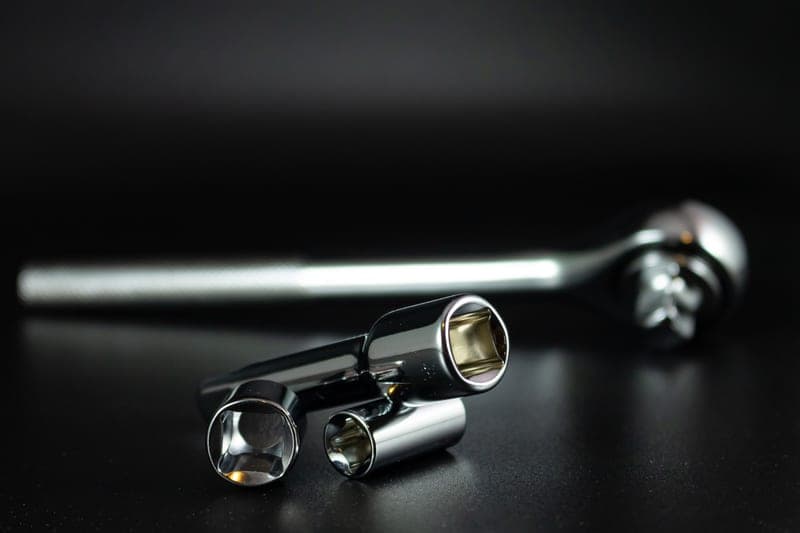
Two reasons. First, wheel sockets are almost universally 1/2 in drive, so a 3/8 in wrench needs an adapter — and an adapter adds a joint you do not want in a high-torque path. Second, a 1/2 in wrench is long enough that the force you apply at the handle is reasonable at 100 ft-lb. A short wrench at the same torque needs a genuinely hard pull.
The part people skip: the pattern and the re-torque
Two habits, both published industry guidance rather than opinion.
1.Tighten in a crisscross (star) sequence
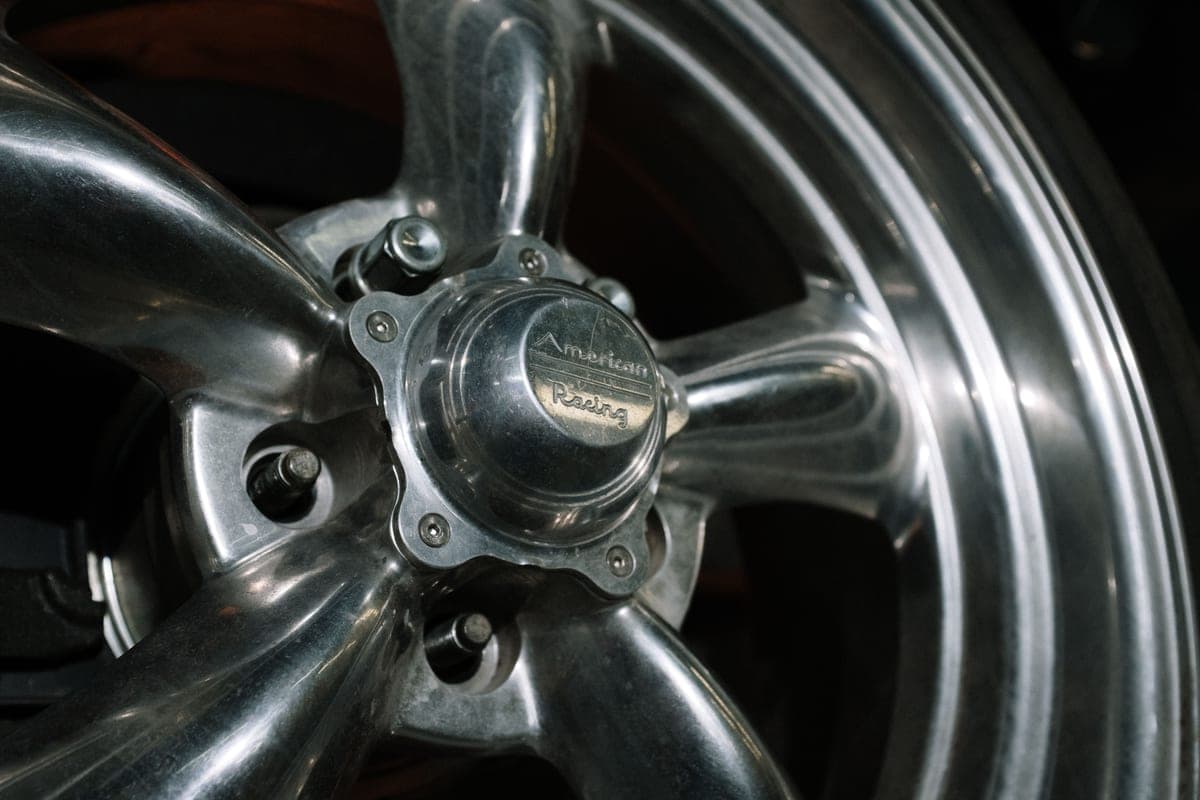
Never around the circle. Working diagonally across the hub pulls the wheel squarely onto its mounting face — ZIPP Group's published guidance specifies a crisscross sequence for the number of fastener positions. Go round twice: snug in sequence, then torque in sequence.
2.Torque with the car on the ground
A wheel in the air can rotate as you apply torque, and holding it with the brake or by hand introduces error. Snug by hand in the air, lower the car, then torque.
3.Re-torque after 50-100 miles
This is the step almost nobody does and it is genuinely recommended industry practice — Alcoa Wheels and Continental both publish it. The reason is joint settling: there are numerous mating surfaces between stud and nut, and each taking a small set loses clamping force.
4.Keep the threads dry
ZIPP Group's guidance states specifications apply to dry threads and cautions against lubricating hardware threads or seats, because it alters friction at the seat and makes the torque reading misleading.
One accessory note
Use a thin-wall or protective socket on alloy wheels. A standard impact socket will mark the wheel face, and on some designs will not fit the recess at all. This is cosmetic rather than safety-critical, and it is the kind of thing you only discover once.