The rules that come before the first oil change — and the jobs those rules unlock.
We earn a commission when you buy through the Amazon links on this page, at no extra cost to you. It never changes which tool we put first, and we publish no price we have not verified. How this site is funded.
Start here
Our top pick in this category
1. Buy first
BIG RED T43002A 3-Ton Double-Locking Jack Stands
Torin (BIG RED) · score 9.1/10
A ratchet bar plus a separate safety pin — two independent locks instead of one — at the height range a car actually needs, and Torin states they meet ASME safety standards.
Stands come before the jack, because the scissor jack in your trunk can lift a car and nothing you own can safely support one. Double locking, 11-1/4 in to 16-3/4 in, ASME compliance stated by Torin.
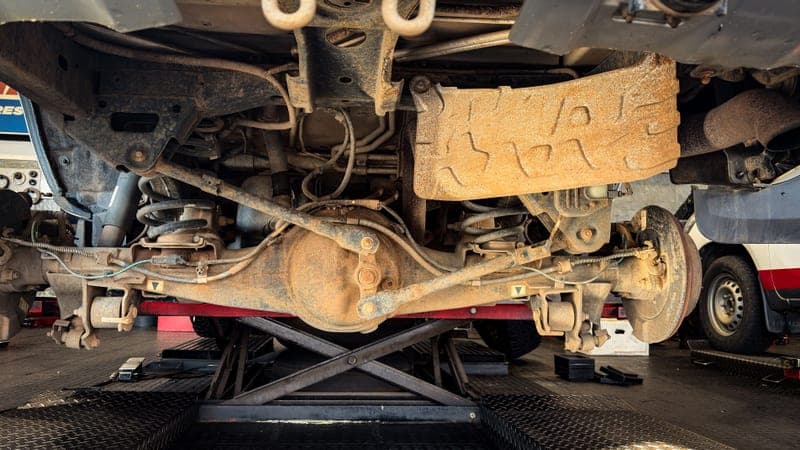
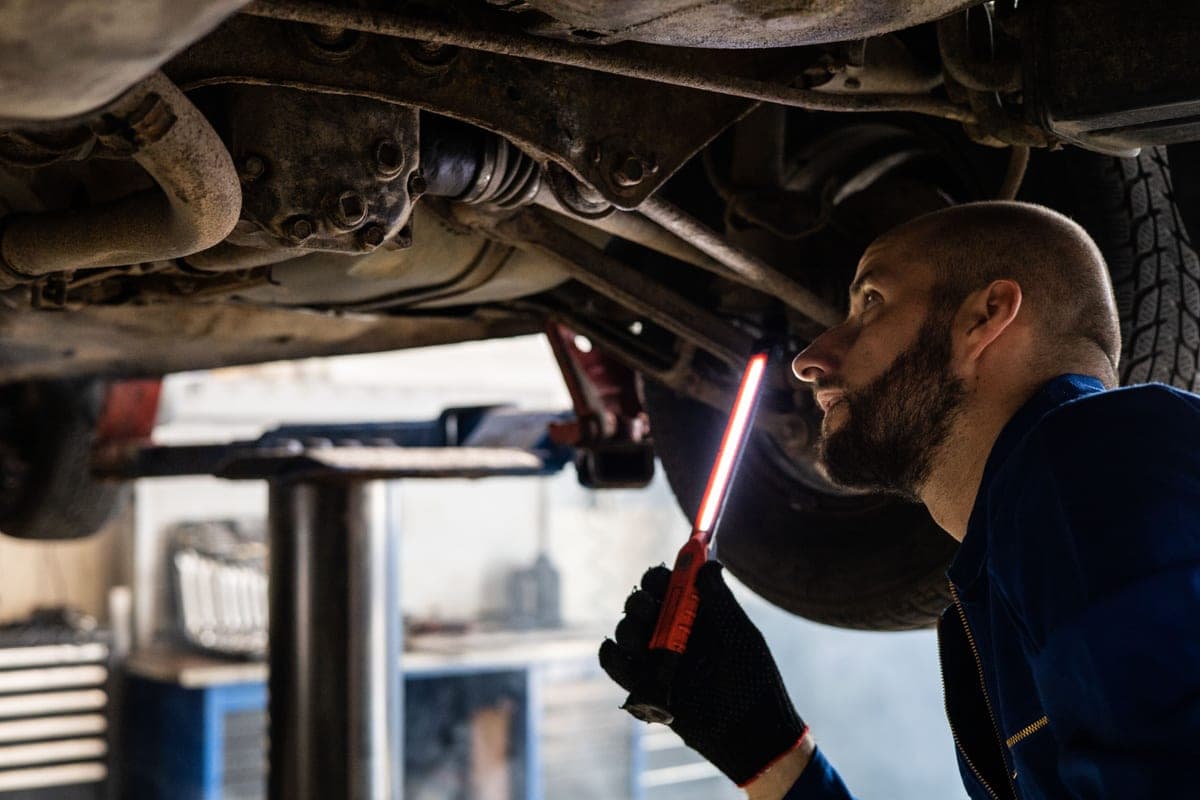
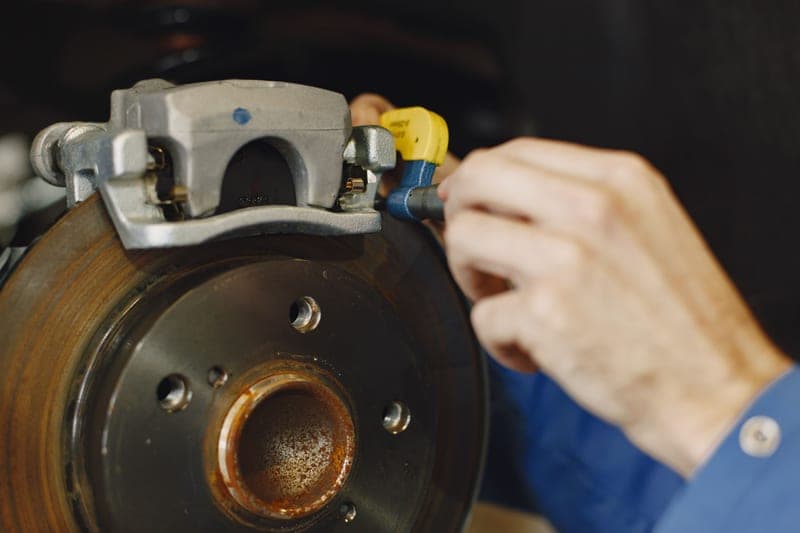
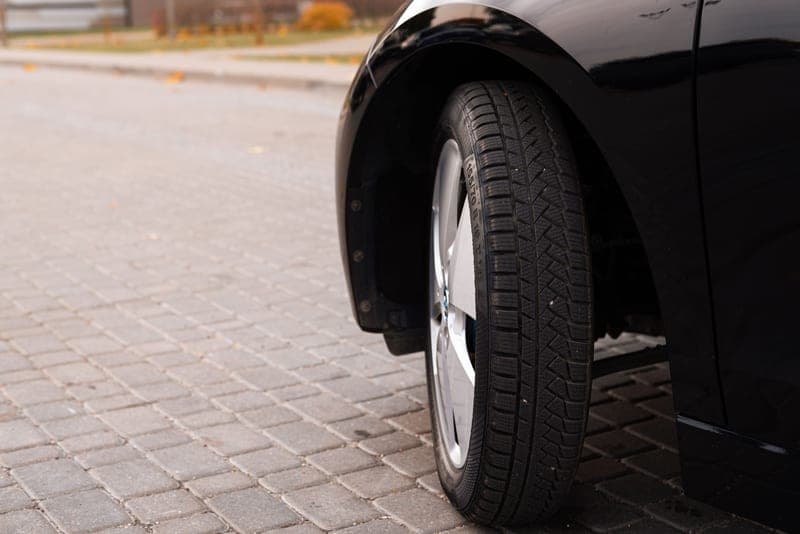
Photographs on this page are licensed stock images that show the category, not the exact model, and not anything we own. We have no test rig and claim none.
This is the part of the site that is not about buying anything. Lifting a car is a procedure with a correct order, a handful of genuine hazards, and a small number of decisions that have to be made before the car leaves the ground. None of it is difficult. All of it is easier to learn before you are lying next to a wheel wondering whether what you are looking at is a pinch weld.
The sequence, in order
Flat ground. Engine off. Transmission in park, or in gear on a manual. Parking brake on. Chock a wheel at the opposite end of the car from the one you are lifting. Find the manufacturer's lift point. Jack slowly, watching that the saddle stays square to the lift point. Set the stands, lower onto them, and check the car is stable with a firm push before you commit to going under.
A modern unibody car has no separate chassis. Its structure is folded sheet metal, and only specific reinforced areas are designed to carry the whole corner of the vehicle. Put a jack under the floor pan and it will dent. Put it under a suspension arm and the arm can move under load. Put it on the pinch weld without a slotted pad and you will fold the seam over.
Two reference pages cover this: car jack points for finding them, and where to put jack stands for supporting the car once it is up. If your car has pinch welds — most do — the pinch weld guide explains the slotted pad that stops you damaging them.
Ground you can and cannot lift on
Concrete is ideal. Asphalt works, though a stand's foot can sink into hot asphalt in summer, which is why a wide formed base is worth paying for. Gravel and soft ground are the genuinely difficult case, and the answer is not "a bigger jack" — it is load spreading, and sometimes the answer is to move the car. Jacking up a car on gravel covers what works and what does not.
The first three jobs worth doing yourself
Once you can lift and support a car, a surprising amount opens up. In rough order of difficulty:
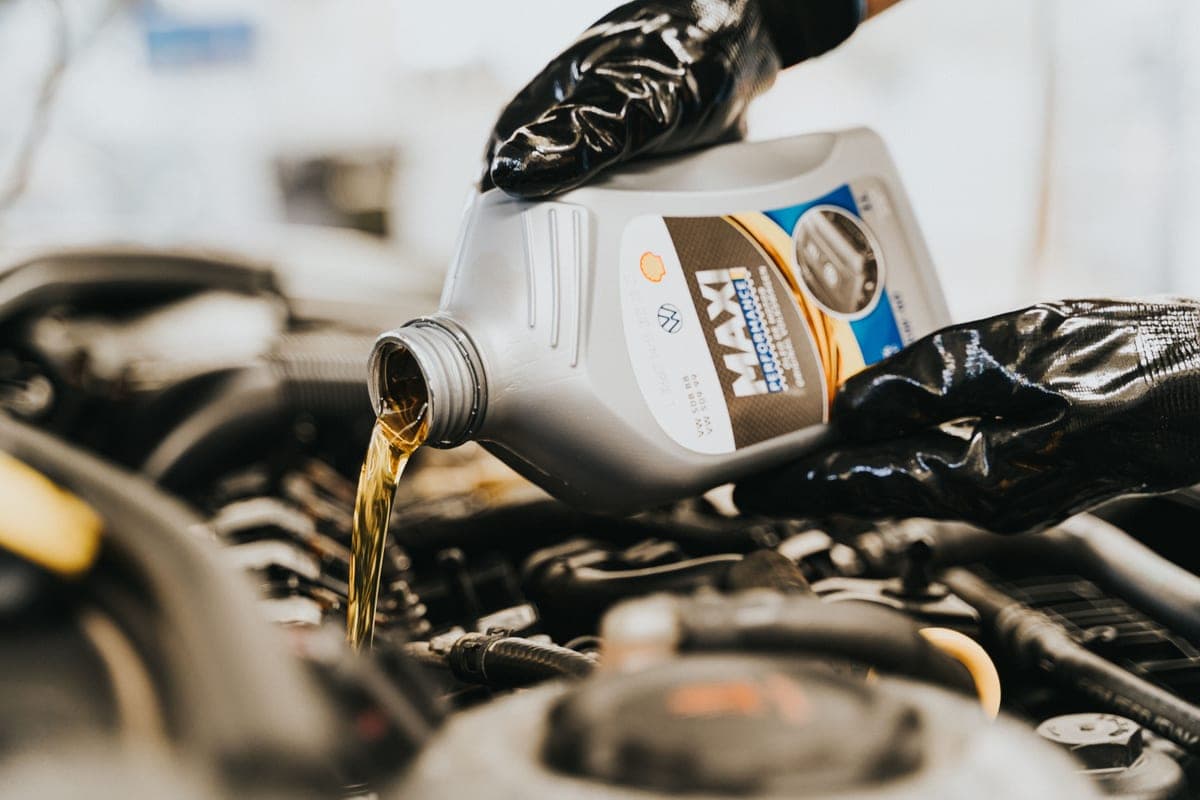
An oil change. Mostly a matter of draining, replacing a filter and refilling to the right level. The first oil change tool list covers what you need, and ramps make it easier than a jack.
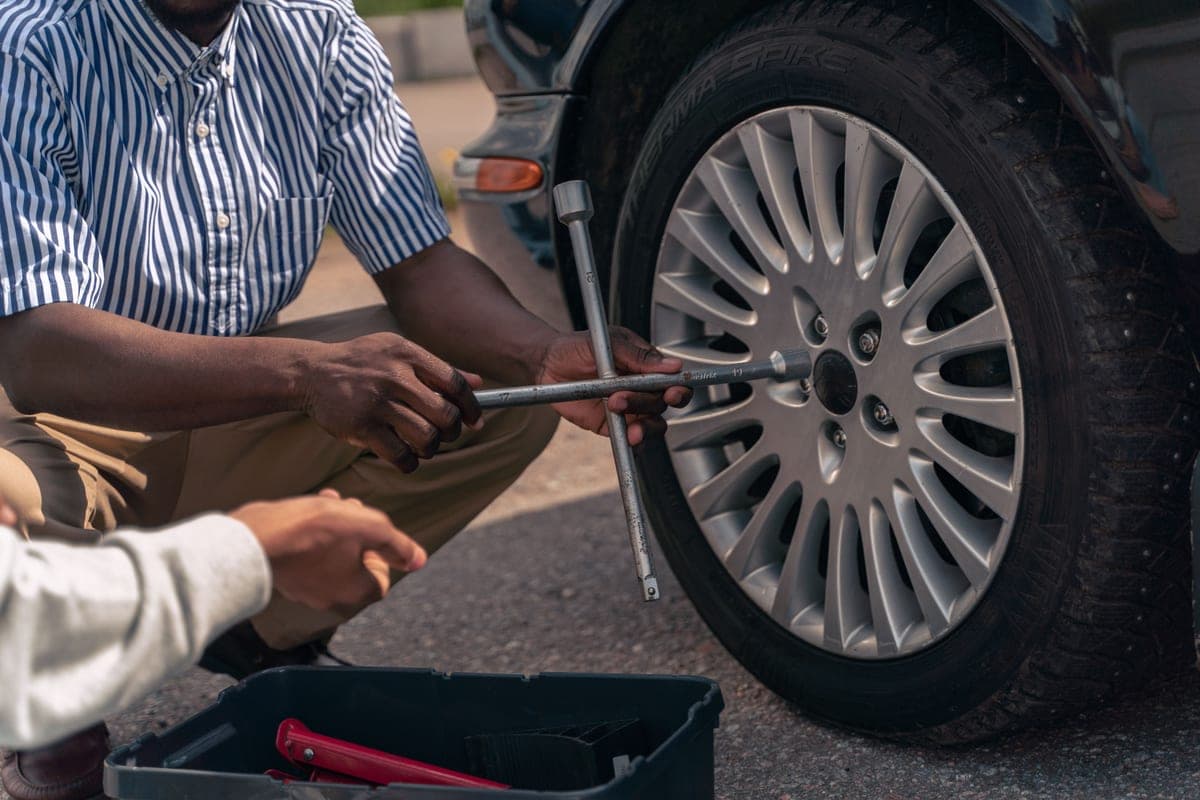
A wheel or tire change. The job that teaches you the star tightening pattern and why torque matters. How to change a tire walks through it.
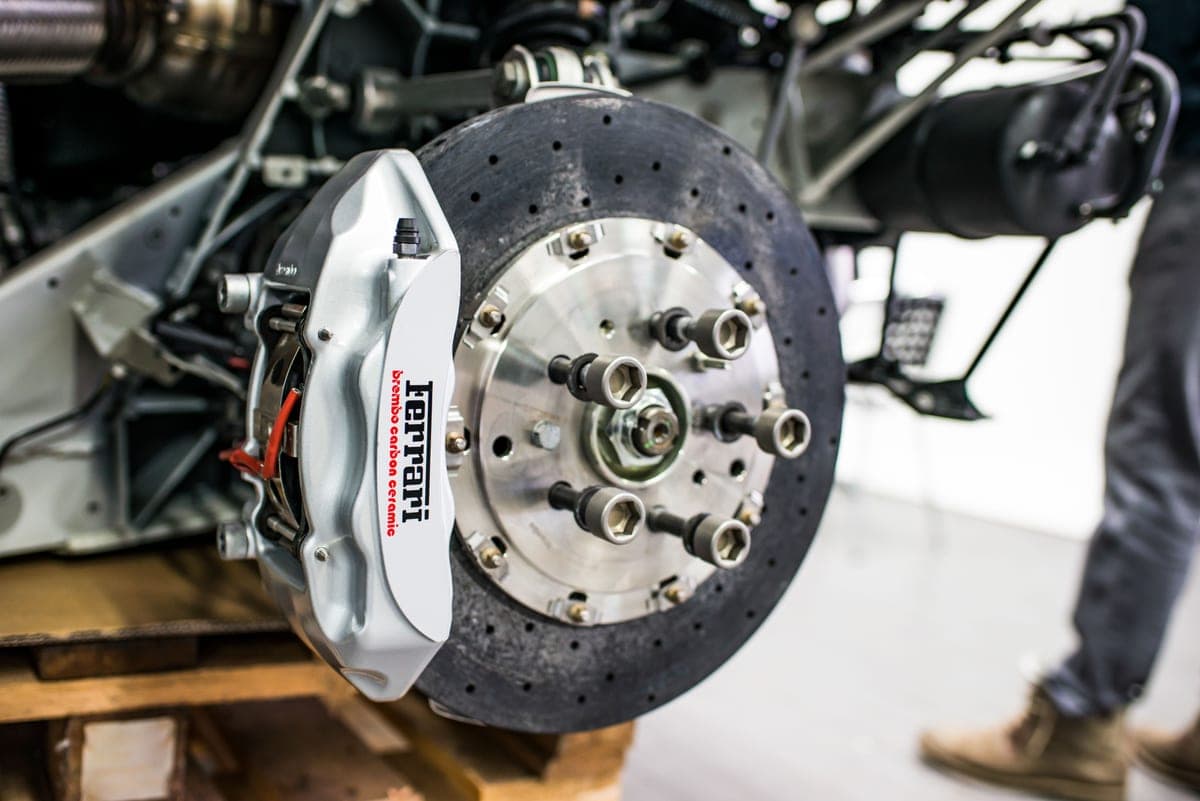
Brake pads. A real job, well within reach, with real consequences for getting it wrong. The brake job tool list is the honest inventory, including the parts people forget.
+−What is the single most common mistake first-timers make?
Going under a car supported only by the jack. It is also the one with the worst consequences. The second most common is jacking on the wrong point and denting a sill.
+−Can I lift a car on a sloped driveway?
Avoid it. A slope loads the jack and stands sideways, which is the direction neither is designed for, and it gives the car somewhere to go. If the only flat ground you have is the street, that is a better option than a sloped driveway.
+−Do I need to lift all four wheels?
Rarely. Almost every beginner job — oil, brakes, tires, suspension one corner at a time — needs one end of the car up. Four-corner lifts need four stands and considerably more care.