
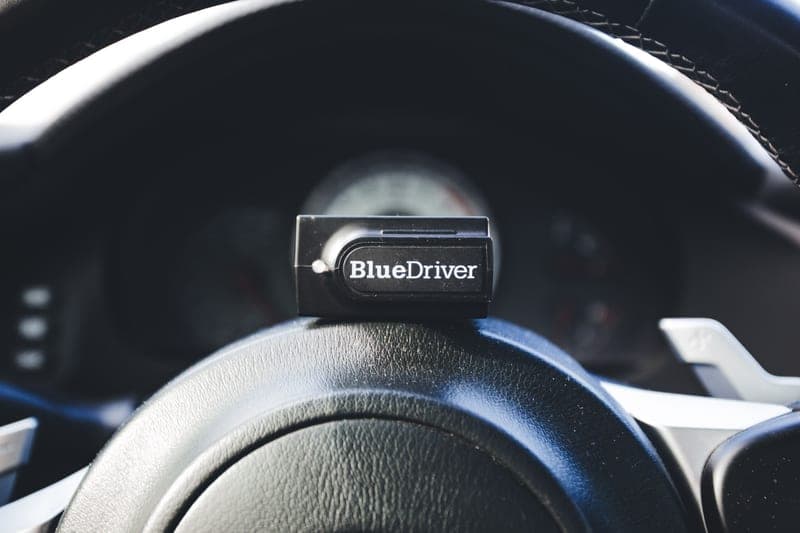
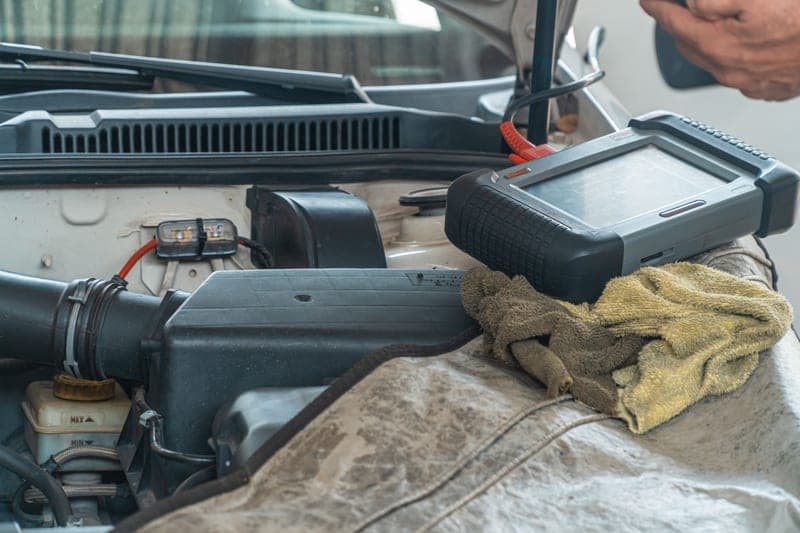
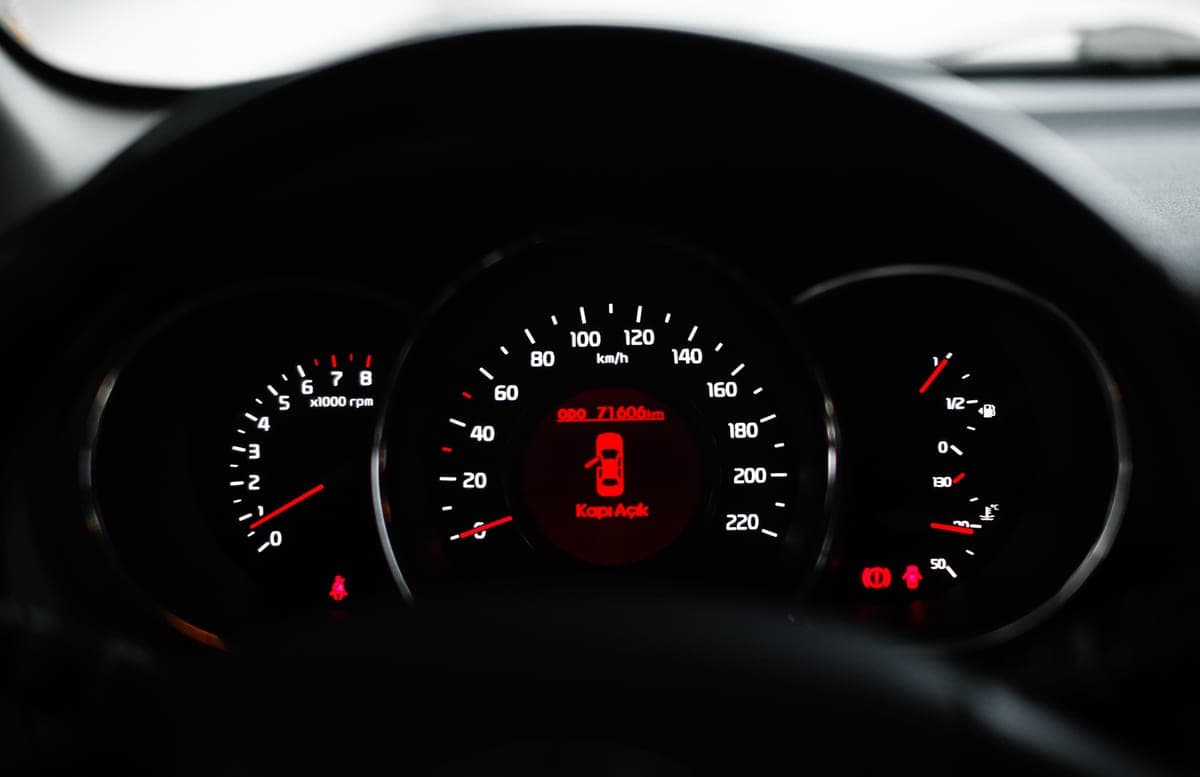
The first scanner is bought in a specific situation: a light came on, the car seems to be driving normally, and you want to know whether this is a loose gas cap or something expensive. A good first tool answers that in under two minutes.
It does not need thirty service functions. It needs to be quick, obvious and hard to get wrong.
What actually matters in a first scanner
| Priority | Why | What to look for |
|---|---|---|
| Reads and explains codes | A raw code is not an answer | Code definitions on screen, or repair reports |
| Emissions readiness check | The pre-smog-test question | A dedicated I/M readiness key |
| Freeze frame | Shows conditions when the fault occurred | Listed explicitly in the spec |
| Live data | Catches intermittent problems | Graphing, not just numbers |
| Simplicity | You will use it twice a year | No account, no subscription, few menus |
What to ignore for now
Bi-directional control, thirty-function service menus, and coverage for module types your car may not even have. These are genuinely useful when you reach the job that needs them — a rear brake change on a car with an electronic parking brake is the classic one — and paying for them before then buys complexity you will navigate around.
If you already know you are heading for brake work, skip to bidirectional vs basic and buy once.
Your first use, in five minutes
1.Find the port
Under the dash on the driver's side, usually within about 18 in of the steering column. Sometimes behind a small trim cover. Every 1996-and-newer US vehicle has one.
2.Plug in with the ignition on, engine off
Key to the on position but not started. That is enough to power the computers and read stored codes.
3.Read codes, and write them down
All of them, including pending ones. Write them down before you do anything else, because clearing them erases the evidence.
4.Look up each code before deciding anything
A code names a circuit and a symptom, not a broken part. P0420 does not mean "buy a catalytic converter", it means the downstream oxygen sensor readings are outside expectation — which has several possible causes.
5.Resist clearing it until you have a plan
See how to clear a check engine light. Clearing resets readiness monitors too.
Setting expectations honestly
A scanner will not tell you what to replace. It will narrow the problem from "something is wrong" to "something in this system is reporting out of range", which is an enormous improvement and still not a diagnosis. The gap between those two is where mechanics earn their money, and where a careful owner with a search engine can often get surprisingly far.
What it does do reliably is stop you being told a fault exists that does not, and give you the actual code to research before you talk to anyone.